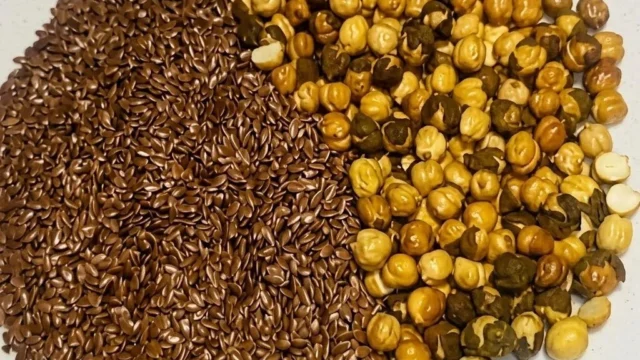
High cholesterol rarely causes symptoms, yet it quietly raises your risk of heart attack and stroke, which is why a heart-healthy high cholesterol diet and lifestyle changes are the first line of defense for many people. The biggest levers are cutting back on saturated and trans fats, eating more soluble fiber, staying active, reaching a healthy weight and not smoking. For some people, especially those with very high levels or a strong family history, medication is also needed, and that decision belongs to you and your clinician.
Key Takeaways
- You cannot feel high cholesterol. A simple blood test, called a lipid panel, is the only way to find out.
- Saturated fat and trans fat have a larger effect on LDL (“bad”) cholesterol than the cholesterol in food for most people.
- Foods rich in soluble fiber, such as oats, beans, lentils, apples and barley, help lower LDL.
- Regular activity, weight loss if needed, and quitting smoking improve your cholesterol profile and heart health overall.
- Never stop a prescribed cholesterol medicine without talking to your prescriber.
Understanding Your Cholesterol Numbers
Cholesterol is a waxy substance your body needs to build cells and hormones. Your liver makes most of it, and you also get some from animal foods. Problems arise when certain types build up in your blood and contribute to plaque in the artery walls.
A lipid panel reports several numbers. The values below are general reference points commonly used in the US, and your clinician may set different goals based on your overall risk.
| Measure | What it is | Commonly cited target (mg/dL) |
|---|---|---|
| Total cholesterol | All cholesterol in the blood | Below 200 |
| LDL (“bad”) | Carries cholesterol that can build up in arteries | Below 100 for many adults, lower for those at high risk |
| HDL (“good”) | Helps remove cholesterol from the blood | Higher is better, generally above 40 for men and 50 for women |
| Triglycerides | A type of fat in the blood | Below 150 |
Many adults are advised to have their cholesterol checked every four to six years starting in early adulthood, and more often with risk factors such as diabetes, high blood pressure, smoking, obesity or family history. Ask your clinician about the right schedule for you. Many plans cover screening, but check your own plan for details.

High Cholesterol Diet: Eating Patterns That Help
No single food fixes cholesterol. Overall eating patterns matter most, and heart-healthy styles such as the Mediterranean diet and the DASH diet have good evidence behind them. They share common features: plenty of vegetables, fruits, whole grains, legumes, nuts and fish, with less red and processed meat and fewer sweets.
Cut back on saturated and trans fat
Saturated fat is found in fatty meats, butter, cheese, cream, and tropical oils like coconut and palm oil. It tends to raise LDL. The American Heart Association suggests keeping saturated fat to a small share of daily calories, around 5 to 6 percent for people who need to lower LDL. On a 2,000-calorie day, that is roughly 11 to 13 grams.
Artificial trans fats have been largely removed from the US food supply, but check labels for “partially hydrogenated oils,” which signal their presence.
Add soluble fiber
Soluble fiber binds cholesterol-containing compounds in the gut and helps remove them. Good sources include oats and oat bran, barley, beans, lentils, peas, apples, citrus fruits, eggplant and okra. Increase fiber gradually and drink water to avoid bloating.
Choose unsaturated fats
Replacing saturated fat with unsaturated fat from olive oil, canola oil, nuts, seeds and avocado is linked with better cholesterol levels. Fatty fish such as salmon, sardines and trout supply omega-3 fats that help lower triglycerides. Keep portions reasonable, because these foods are still calorie-dense.
Think about dietary cholesterol in context
For most people, cholesterol in food has a smaller effect on blood levels than saturated fat does. Eggs, for example, can fit into many heart-healthy diets in moderation, though people with diabetes or very high LDL may be given more specific advice. Ask your clinician or a registered dietitian about your own limits.
Easy swaps
| Instead of | Try | Why it helps |
|---|---|---|
| Butter on toast | Olive oil or nut butter | Swaps saturated fat for unsaturated fat |
| Sugary cereal | Oatmeal with fruit and nuts | Adds soluble fiber |
| Fatty processed meats | Beans, fish or skinless poultry | Lowers saturated fat |
| Full-fat cheese snacks | Unsalted nuts or an apple | Adds fiber and healthy fats |
| Fried foods | Baked, grilled or air-fried versions | Cuts added fat and calories |
| Cream-based sauces | Tomato or vegetable-based sauces | Reduces saturated fat |
A fiber-rich start to the day makes it easier to stay on track, and our high-protein breakfast ideas include options that work with a heart-healthy plan when you choose lean or plant-based ingredients.
A Sample Day of Heart-Healthy Eating
This is one illustrative day, not a prescription. Adjust portions, allergies, culture and preferences with your clinician or dietitian.
- Breakfast: Oatmeal made with water or low-fat milk, topped with berries and a spoonful of chopped walnuts.
- Lunch: A large salad with chickpeas, tomatoes, cucumber and olive oil with lemon, plus a whole-grain roll.
- Snack: An apple with a small handful of unsalted almonds.
- Dinner: Baked salmon, brown rice and roasted vegetables.
- Dessert or evening: Plain yogurt with fruit, or a small portion of whatever you enjoy.
Reading Labels and Eating Out
Food labels make saturated fat easy to compare. Look at the serving size first, because the numbers apply to that amount only, then check saturated fat, fiber and added sugars. A product with 5 percent or less of the daily value of saturated fat is generally considered low, and 20 percent or more is considered high.
At restaurants, choose grilled, baked or steamed dishes over fried ones, ask for sauces and dressings on the side, and split large entrees. Add a vegetable side or a salad, and consider fish or beans as the main protein. Portion sizes are often larger than needed, so boxing half to take home is a useful habit.
If you cook with fat, measure it. Olive oil is a better choice than butter, but a few tablespoons still add up in calories. Season with herbs, garlic, citrus and spices instead of relying on butter, cream or salty processed seasonings.
Lifestyle Habits Beyond the Plate
Move your body
Regular aerobic activity can modestly raise HDL and lower triglycerides, and it supports weight control and blood pressure. Public health guidelines suggest at least 150 minutes of moderate-intensity activity weekly, such as brisk walking, plus muscle-strengthening work twice a week. If you are not active now, start with 10 minutes a day and build up. For a daily goal, see how many steps a day you really need. Check with your clinician before beginning vigorous exercise if you have heart disease or other risk factors.
Reach and keep a healthy weight
Carrying extra weight, especially around the waist, tends to raise triglycerides and LDL and lower HDL. Even a modest loss can improve your numbers. If belly fat is a concern, our article on how to lose belly fat without crash dieting offers a gradual approach.
Quit smoking
Smoking lowers HDL and damages blood vessels. Stopping brings quick benefits to heart health. Ask your clinician about counseling and medication options that can improve your odds of quitting.
Limit alcohol
Heavy drinking raises triglycerides and blood pressure. If you drink, do so in moderation, and if you do not drink, there is no health reason to start.
Sleep and stress
Long-term stress and poor sleep are linked with higher heart risk. Better sleep habits can help, as covered in our guide to simple habits that improve sleep quality.
Supplements and “Natural Fixes”: What to Know
Some foods are fortified with plant sterols, which can lower LDL when eaten regularly, and some people take fiber supplements such as psyllium under guidance. Supplements like red yeast rice, however, can contain varying amounts of active compounds, may act like a prescription statin, and can cause serious side effects including liver and muscle problems. Quality and strength are not consistently regulated. Do not use any supplement as a replacement for prescribed medicine, and tell your clinician about everything you take.
When Medication Is Part of the Plan
Lifestyle changes help, but they are sometimes not enough, especially with genetically high cholesterol (familial hypercholesterolemia), a history of heart disease or stroke, diabetes, or a high overall risk. Clinicians may prescribe statins or other medicines that lower LDL. Doctors weigh benefits and side effects based on your age, family history, blood pressure, smoking status and other conditions.
- Take medicine exactly as prescribed, and do not stop because you feel fine.
- Report muscle pain, weakness or dark urine promptly to your prescriber.
- Ask whether generic options are available, and see our guide on how to lower prescription drug costs if price is a concern.
- Repeat lipid tests as advised to see how well your plan works.
When to Seek Emergency Care
High cholesterol itself does not announce itself, but its consequences can. Call 911 for chest pain or pressure, pain spreading to the arm, jaw or back, shortness of breath, sudden weakness or numbness on one side, trouble speaking, or sudden severe headache or vision loss. Do not drive yourself.
Frequently Asked Questions
What foods lower cholesterol the most?
Oats, barley, beans, lentils, nuts, fatty fish, fruits and vegetables are all helpful. The overall pattern matters more than any single food.
How long does it take to lower cholesterol with diet?
Some people see changes within a few weeks to a few months of consistent changes, though the amount varies. Your clinician will recheck your levels, often after about three months.
Are eggs bad for cholesterol?
For many people, eggs in moderation fit within a heart-healthy diet. If you have diabetes, heart disease or very high LDL, ask your clinician for personalized advice.
Can I lower cholesterol without medication?
Many people can improve their numbers with lifestyle changes, but some need medication as well. Do not stop a prescribed medicine on your own.
Does cholesterol run in families?
Yes. Genetics can strongly affect levels, and familial hypercholesterolemia can cause very high LDL from a young age. Tell your clinician if heart disease runs in your family.
Is coffee bad for cholesterol?
Unfiltered coffee, such as French press or boiled coffee, can raise LDL somewhat, while paper-filtered coffee has less of an effect.
Is HDL always good to have high?
Generally a higher HDL is favorable, but very high levels do not always offer extra protection. Your total picture matters.
Do I need to fast before a cholesterol test?
Not always. Many clinicians accept non-fasting tests, but follow the instructions your provider gives you.
Bottom Line
High cholesterol is common and silent, but manageable. Swap saturated fat for unsaturated fat, build meals around fiber-rich plant foods, move regularly, work toward a healthy weight and avoid smoking. Get your cholesterol checked on the schedule your clinician recommends, and if medication is advised, take it as prescribed alongside your lifestyle changes. Small, steady improvements add up to meaningful protection for your heart.
This article is for general informational purposes only and does not constitute medical, legal, or financial advice. Coverage rules, costs and guidelines change and vary by plan and state — consult a licensed healthcare professional or your insurer for guidance specific to your situation.